
SPRING/SUMMER 2026
My Walk with Bob
Echoes in Ian Hamilton Finlay’s Little Sparta
Jocelyn Saidenberg
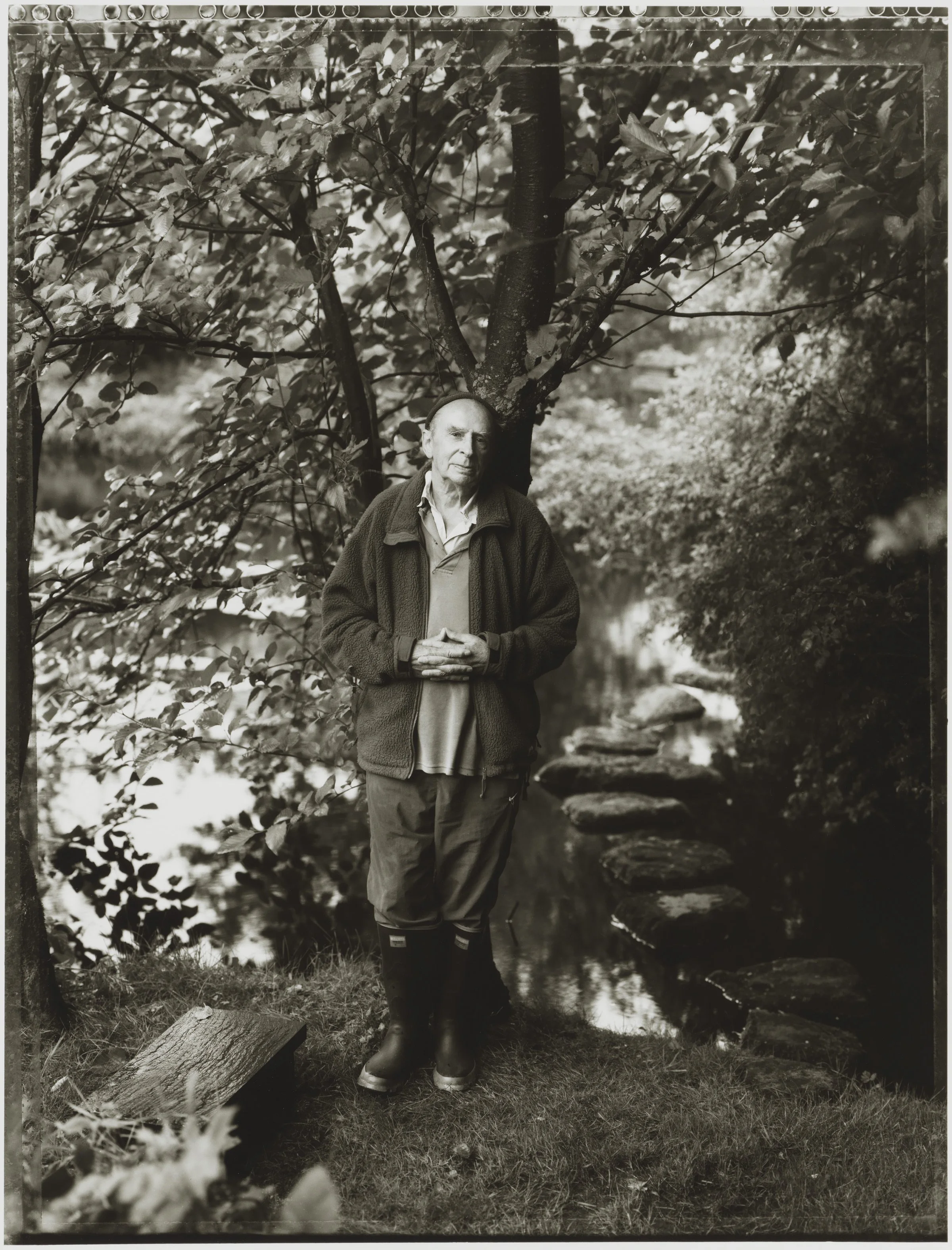
Photo: Ian Hamilton Finlay. National Portrait Gallery.
I’m walking with Bob Glück in Scotland. It is raining on and off, and we are meanwhile together, in a near-mythic garden: Little Sparta, the lifetime work of Ian Hamilton Finlay and his many collaborators. In the roaming gardens, time grows and reforms in cooperative cycles, a concert of creating between the living and dead, chance and weather. It survives its makers. Yet I’m reluctant to consider Little Sparta a monument, remembered by its stones and wooden posts; it’s too inclusive and capacious in its attention, its various passions compelled in plant life and in plays of language, the syntax overgrown with new intention, relations and histories entwined.
Our approach to Little Sparta is on foot via a dirt road, Stonypath, through meadows of grazing sheep and their lambs; these pastoral enclosures suggest a different economy from that of accumulation, a time when weather reigned. The day is covered in gray.
What’s been forgotten or abandoned—unattached relics release flowers and time. We encounter initials and imperatives, commands inscribed to no one in particular: visiting birds, sheep, deer within the dwelling, whether migrating or permanent residents. Each area with its containing name (Julie’s Garden, Wild Garden, English Parkland) evokes bodily relation, gestures surprised in their tracks.
The caretaker invites us to enter along the many footpaths. Bob and I understand tacitly our desires to wander alone, to allow for our own curiosity, moved along by different tempos—mine glacially slow, Bob’s his own.
SEMPER FESTINA LENTE
Always make haste slowly
No birdsong midday. Its absence focuses me for the parsing of Latin and Greek texts sprung on and among monuments, stones, posts, trees. Lines from Virgil wind on the turf around the trunk of an elm tree. The encircled letters insist on circular reading while pacing in dactylic hexameter around the tree. How the silence of inscriptions attunes my attention, yet unknowing for what. Dear reader, kindly imagine these words circulating around the base of a tree, not as they are here, marching across the page:
ILLE ETIAM SERAS IN VERSUM DISTULIT ULMOS / EDURAMQUE PIRUM ET SPINOS IAM PRUNA FERENTIS / IAMQUE MINISTRANTEM PLATANUM POTANTIBUS UMBRAS
That man even transplanted slow-growing elm trees in rows and blackthorns and pear trees, already bearing fruit, and a sycamore tree furnishing ready shade to those who take shelter to drink.
These are from his fourth georgic, the one that gives advice on beekeeping. After several hundred lines of didactic verse on the stewardship of bees and their social mores mirroring those of Roman ideals, Virgil turns to sickness and the story of Aristaeus. His bees are dying. To heal them he searches for aid and answers along a perilous trail. At last he subdues Proteus in his watery cave, who reveals the reason for his ailing bees. Unwittingly Aristaeus was the cause of Eurydice’s death, and widowed Orpheus has to take his revenge. Then in one and the same rite, simultaneously the singer is appeased, and the beekeeper learns the secrets of bee auto-generation.
Within the beekeeper’s tale, Virgil renders, in a series of vignettes, the aching final moments between Orpheus and Eurydice. Leading her from the infernal realms, he falters at the rim; almost safe, save for his need to see her, to see that she is there. Rather than mending, he ends it again. Both the beekeeper and the twice-bereft singer share in her doubled death. Meanwhile, these lines circling the elm form part of a praeteritio; that is, the story I am not going to tell but in mentioning what I won’t tell, end up telling it all, also known as the gossip’s ploy. The verses speak of a gardener, an old man from Corycus, who, like Finlay, has made much from a plot of unpromising land. My reading steps enact the relations between eras and elms, between these discrete yet congruous gardeners, in an aside that can’t be left unmentioned.
Moving downhill toward the sound of a small brook, there’s an opened enclosure. For reasons hard to put into words, I stay outside, hesitating, a herd of one.

Fig. 1. Eclogue, Folding the Last Sheep. Dry-stone walls, with slate plaques, wooden gate. Ian Hamilton Finlay with collaborator Caroline Webb, 1988. This and all following photos in the Interlude by the author, courtesy of the Estate of Ian Hamilton Finlay.
The gate to this enclosure, left open, reads always: ECLOGUE.
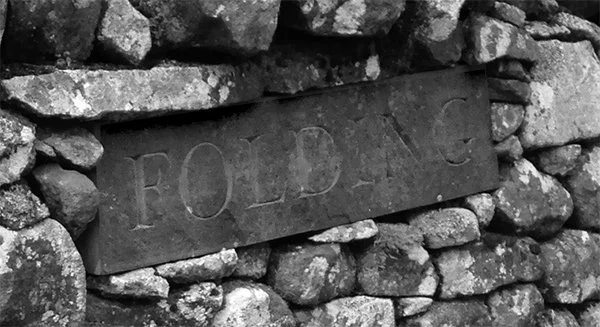
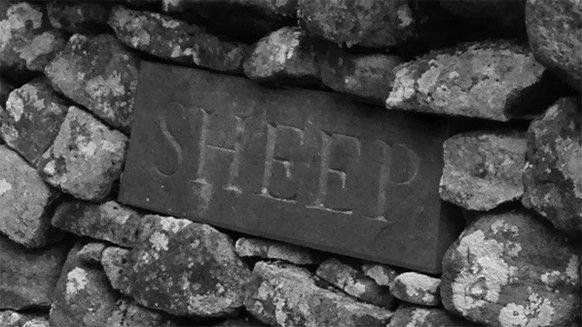
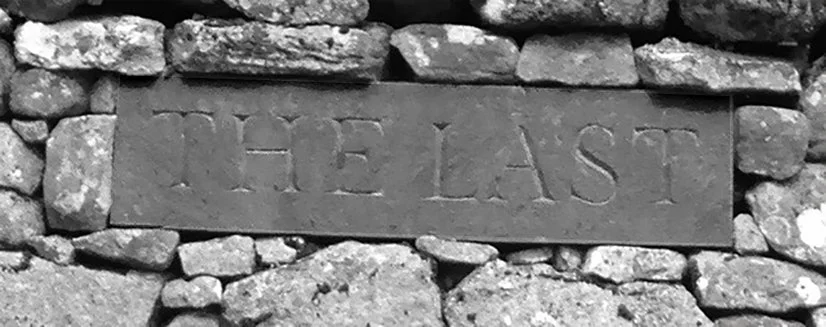
Figs. 2, 3, and 4. Details from fig. 1.
Virgil’s eclogues too begin in mourning, a shepherd dispossessed of his land, meets another whose sharp-witted girlfriend helps him save up enough money to buy his freedom. The first shepherd’s sheep are the last sheep. But this fold here: Had it given up on its sheep or had they abandoned it? The last sheep unfurled. The fold’s return to difference. These lines and enclosure pay homage to Samuel Palmer’s translation of Virgil’s eclogues and the etchings that he made to accompany them. Finlay admired them and his collaboration brings to my mind both the shepherd and the sheep that have been dispossessed, their land confiscated and handed over to soldiers returning from war. This phrase, meanwhile, is from Virgil’s “Eclogue 8,” a poem I love for its fascination with the power of song to spellbind and enchant.1
I follow the line of fold after the last until I am halted, met at eye level by this:
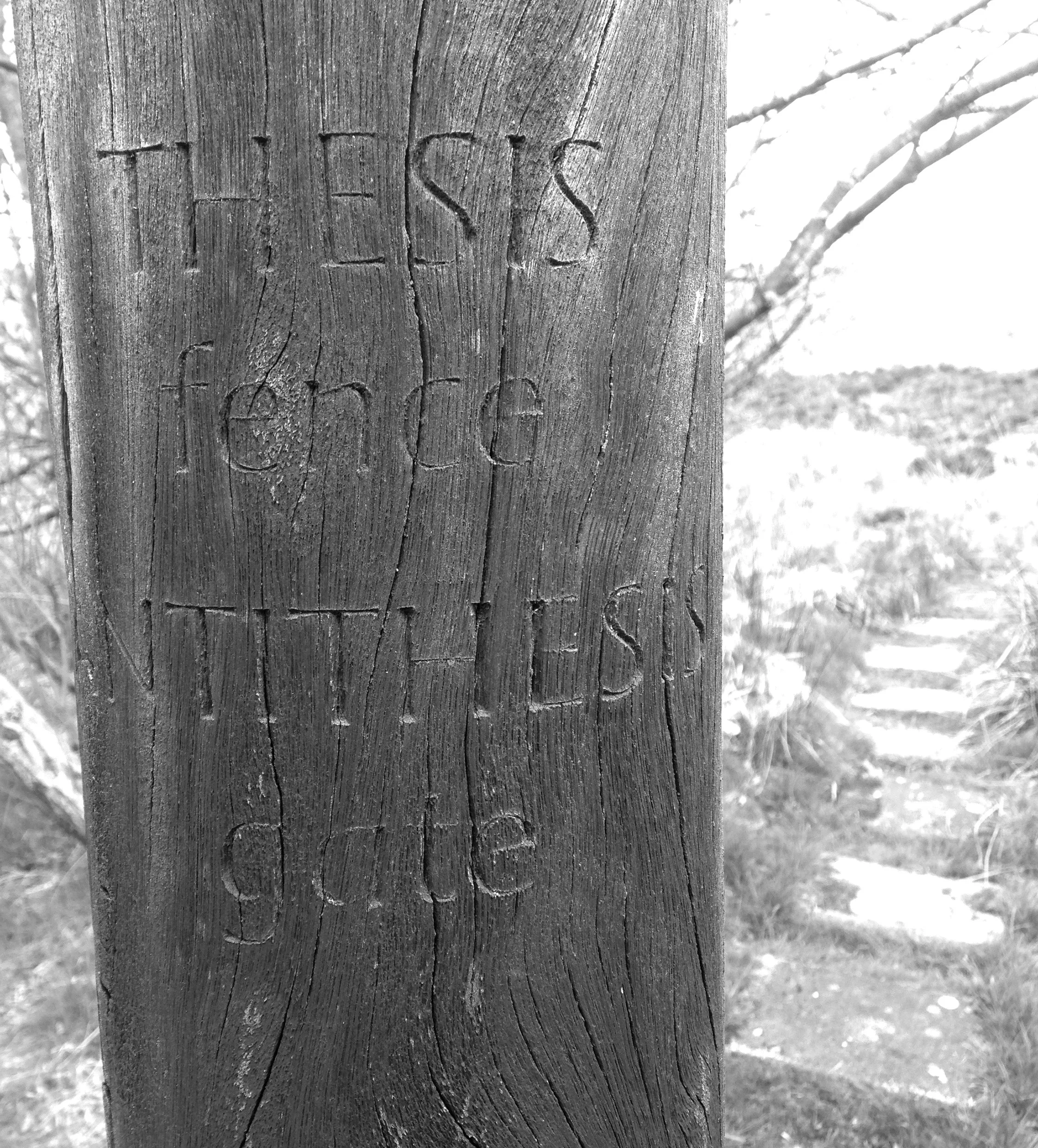
Fig. 5. THESIS fence, SYNTHESIS stile, ANTITHESIS gate. Stile, Wood. Ian Hamilton Finlay with collaborators Michael Harvey and Keith Brookwell, 1985.
THESIS
fence
ANTITHESIS
gate
This post, whether marking passage or embrace, is part of a magical stile (style?) (fig. 5).
It’s not the typical A-framed ladder straddling a fence which hardly alters one’s gate, while leaving the four-leggeds inside or out. But this stile of radiating steps proposes a circular view of our surroundings.
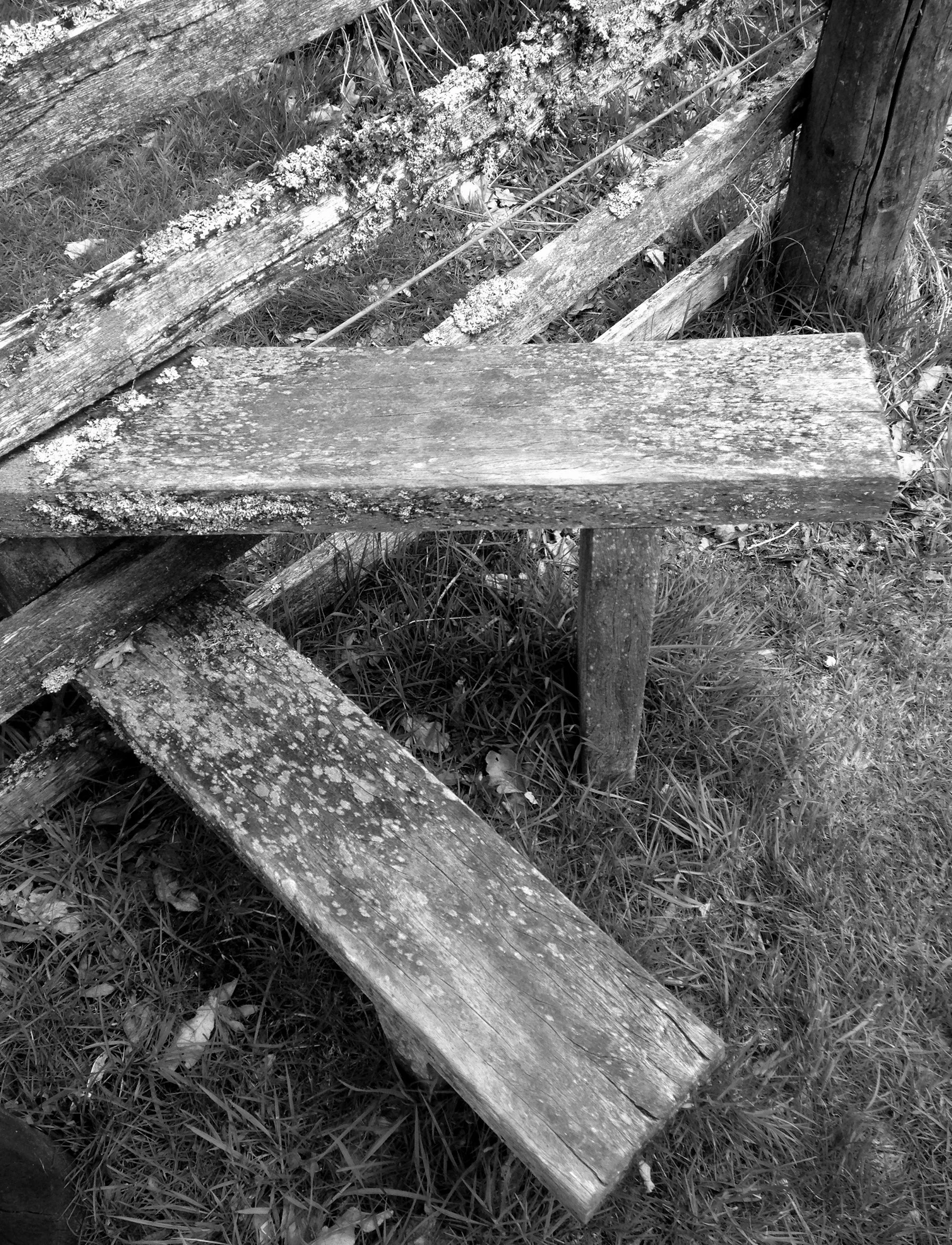
Fig. 6. THESIS fence, SYNTHESIS stile, ANTITHESIS gate. Stile, Wood. Ian Hamilton Finlay with collaborators Michael Harvey and Keith Brookwell, 1985.
Winding around like a helix with the fencepost as the axis, the quiet, immobile center, it demands of me a choreography: lifted leg, twist, another lifted leg, spun round.
And I land, unfurled, dizzy, to read the pole’s opposite side:
SYNTHESIS
stile
Standing still in this new meadow facing north toward a horizon of trees, again I hesitate to hear the overture. What invites? Leaving the fence, I meet what feels too personal as if I’m its conjured addressee, its determined or destined reader.
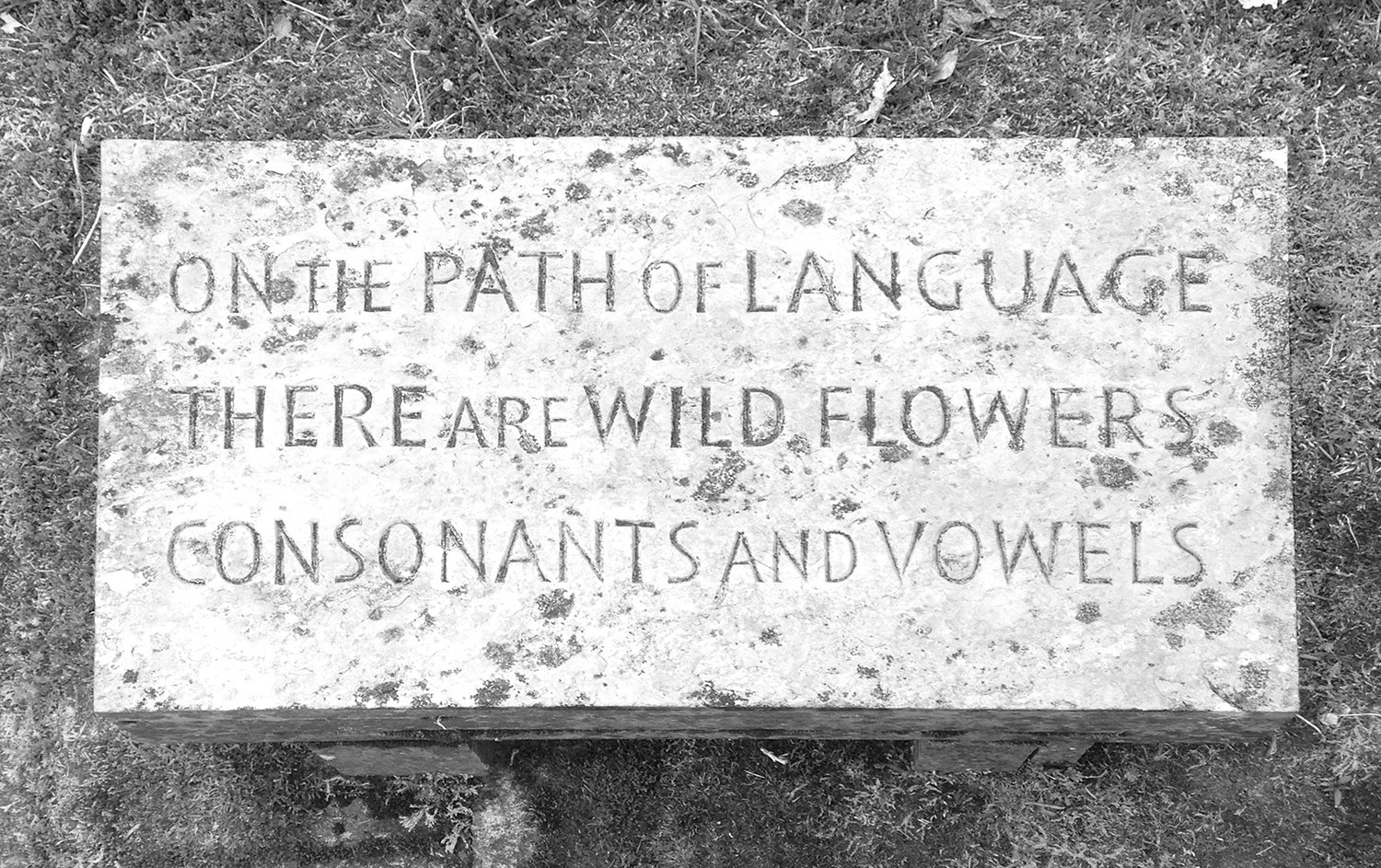
Fig. 7. On the Path of Language. Low Bench. Stone. Ian Hamilton Finlay with collaborators Keith Bailey and Michael Harvey, 1991.
How wild flowers translate the individual letters of an alphabet into flush and rose figures, scrambling the elements to scatter their seeds awaiting a bird or sheep or person to carry them off elsewhere, outside the emergence of what any alphabet might mean, transformed into sounds. At last and finally the alphabet’s letters are unburdened of their task to render what they imperfectly mark, a relief underscored by wild soundings of flowers and their friends.
Meanwhile the letters still scratch on whatever surface with whatever’s at hand. N O R I P E R A S P
(Proserpina :: Persephone :: she, who traffics annually between the infernal and earthly realms, having been abducted by Hades while picking flowers with nymphs. Her mother, Demeter, steadfastly searching, while divinities make deals. The fall out—pomegranate seeds, a split subject, here in Finlay’s garden graffitied letters divide into anagrammatic figures; Proserpina’s name in parts.)
The sundials we encountered along the paths of Little Sparta, which, on account of the gray day, only faintly suggested our moment. One sundial, surrounded by strawberries, speaks in its first person.
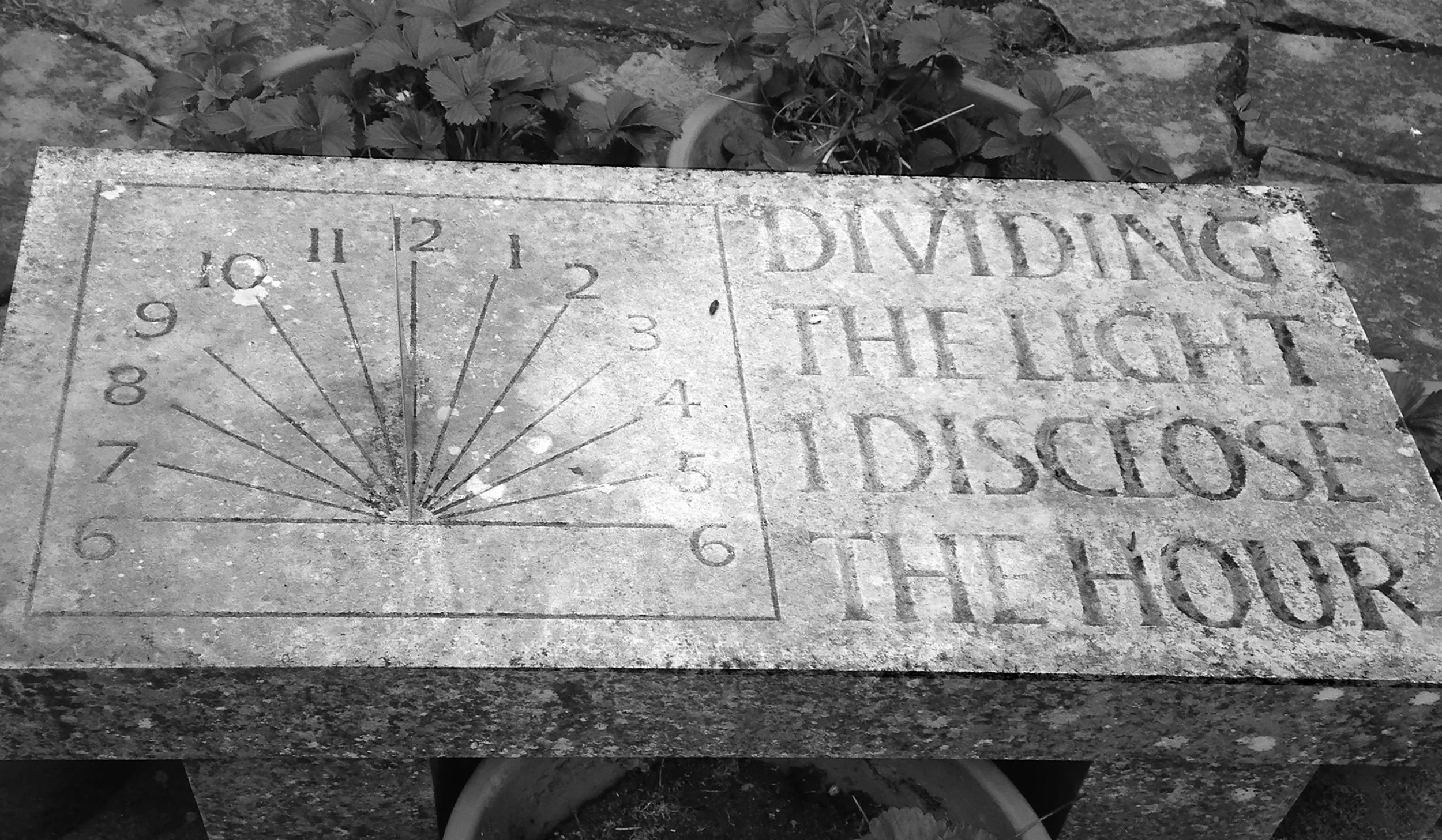
Fig. 8. Dividing the Light I Disclose the Hours. Sundial. Nebracina stone with a steel gnomon. Ian Hamilton Finlay with collaborator John Andrew, 1972.
What sound does light disclose in marking time? The ten-syllable phrase,
DIVIDING
THE LIGHT
I DISCLOSE
THE HOUR
(x X x / x X / x x X / x X ; iamb – anapest – anapest – iamb) seems to imply that the utterance itself not only describes the marking of time but makes time itself, a moment hidden that needs only light to reveal itself in its own pronouncement of what can never be uttered accurately or timely enough.
But what happens at night, the revelation of light obscured? Time sleeps: Hypnos, the brother of death. When stone speaks in the vocative address, it makes it us, you and me, which if lived as uttered would rest in abeyance. What would be the case here? Does my reading create the instance? Am I within its grammar, a third person, useless to formation, but lending my voice to assert the relation? What use then? What us?
Another stone appears and replies, a headstone to Night’s other son, Death.
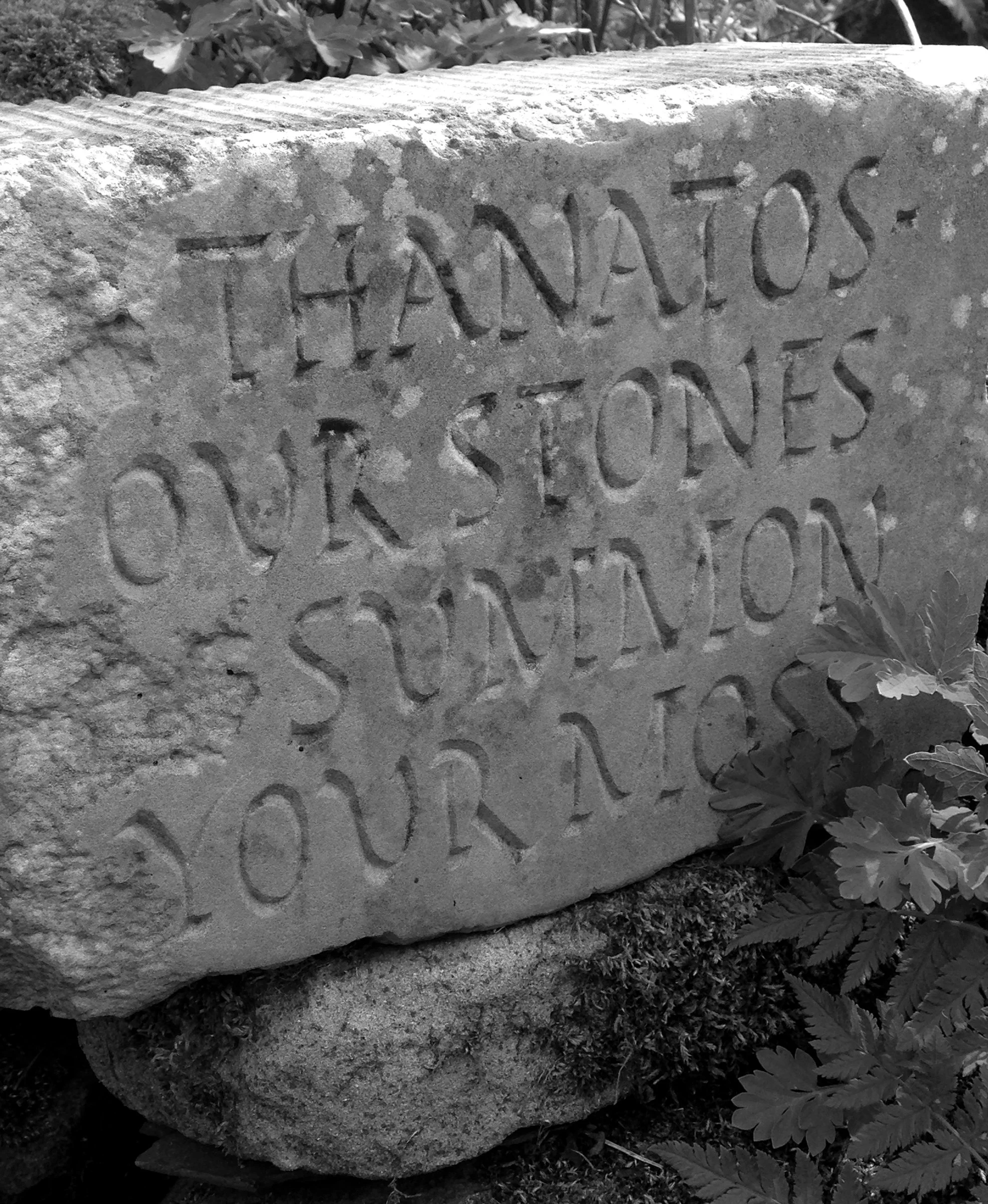
Fig. 9. Thanatos. Inscribed stone. Ian Hamilton Finlay with collaborator Richard Grasby, 1988.
THANATOS
OUR STONES
SUMMON
YOUR MOSS
This conversation between moss and stone, their invocation of death, rehearses a motif I’ve been following along—how do the stones speak and how do we lend our voice to these stones, these who in fact speak for themselves. As if grief would unite us by enchantment in mourning, the moss is called on to clothe its stone body, a vital garment borrowed from death.
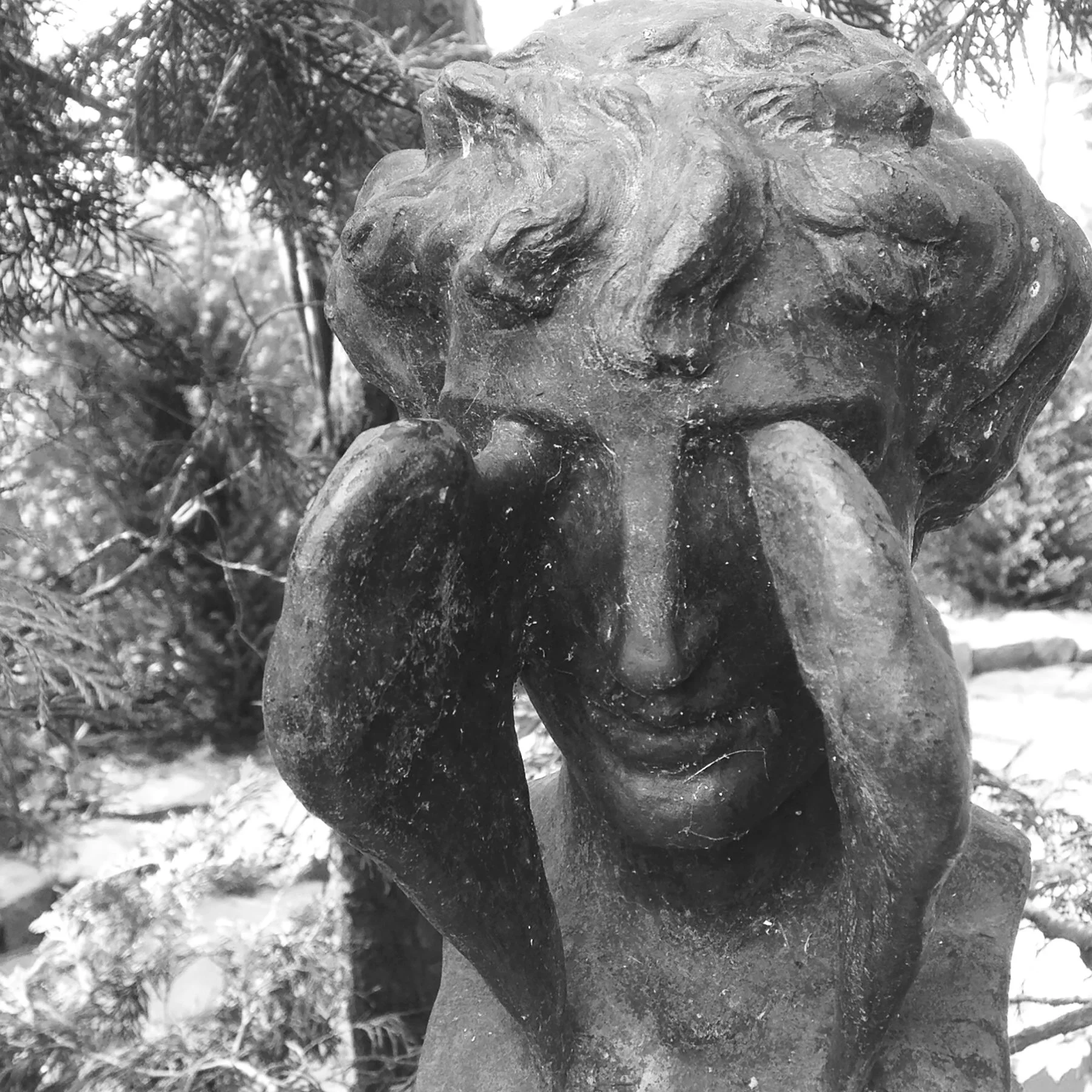
Fig. 10. “He is Hypnos, the god of sleep, his closed eyes becoming the wings that take him to his dreams.” Jessie Sheeler, Little Sparta: A Guide to the Gardens of Ian Hamilton Finlay (Edinburgh, 2015), 45. Herm. Resin head on rustic stone column. Ian Hamilton Finlay with collaborators Michael Harvey and Keith Brookwell, 198.
A V E A T Q U E W A V E U N D A V A L E
F a r e w e l l W a v e U p o n W a v e A d i e u
1 “Scarce with her rosy fingers had the dawn / From glimmering heaven the veil of night withdrawn, / And folded flocks were loose to browse anew / O’er mountain them or trefoil wet with dew.” Samuel Palmer, “Eclogue the Eighth,” An English Version of the Eclogues of Virgil (Seeley & Company, 1884), 77.
Excerpted from ECHO OTHERWISE: A POETICS OF SOUND AND LOSS IN ANCIENT AND CONTEMPORARY POETRYby Jocelyn Saidenberg, published by Punctum Books.